
Understanding the intricacies of feminine hygiene products is crucial for every woman. Despite the myriad options available in the market, it’s essential to grasp the basics of intimate care to avoid potential harm. Experts emphasize the self-cleaning nature of the vagina, debunking the misconception that it requires an array of specialized products to maintain cleanliness.

Women are often bombarded with a plethora of gels, wipes, sprays, and foams in the feminine care aisle, promoting an unnecessary and potentially harmful regimen. The truth is that many of these products can disrupt the delicate balance of the vaginal ecosystem, leading to irritation and complications. Therefore, it’s imperative to make informed choices that support rather than compromise vaginal health.
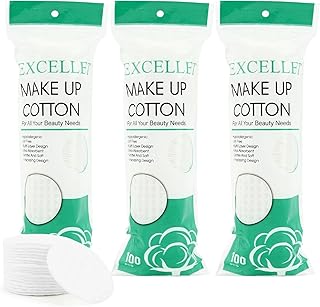
One common mistake women make is relying on vaginal washes and soaps under the assumption that they offer enhanced cleanliness. However, experts caution against the use of scented products that can be abrasive and detrimental to the sensitive vaginal tissue. The key lies in opting for mild, unscented soaps for external use only, preserving the natural equilibrium of the vaginal environment.

Similarly, feminine wipes are often marketed as a convenient solution for on-the-go freshness. While they may seem practical, certain wipes can disrupt the pH balance and irritate the delicate skin in the vaginal area. To mitigate the risk of infections, it is advisable to choose fragrance-free, pH-balanced wipes for occasional use rather than incorporating them into daily hygiene routines.
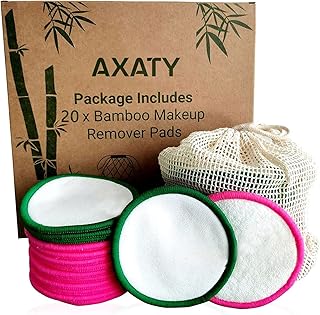
Contrary to popular belief, vaginal deodorants and sprays do not contribute to optimal vaginal health. The fragrances in these products can irritate sensitive tissues and mask potential indicators of underlying issues that require medical attention. Embracing one’s natural scent and seeking medical advice for persistent odors is a more prudent approach to intimate care.

Douching, a practice aimed at internal cleansing, is strongly discouraged by experts due to its potential to disrupt the vaginal microbiome and increase the risk of infections. The misconceptions surrounding douching, including unconventional recommendations like using soft drinks for vaginal hygiene, underscore the importance of debunking harmful myths and prioritizing evidence-based practices.

Moreover, the use of talc powders in the genital area has raised concerns regarding their association with an elevated risk of ovarian cancer. As a precautionary measure, experts advise against the use of talc-based products to safeguard women’s health and well-being. Opting for alternative, safer alternatives is paramount in minimizing potential health risks.
For women experiencing dryness or itching, vaginal creams and moisturizers can provide relief, particularly during hormonal changes such as menopause. It is essential to select products specifically formulated for intimate use, free from harsh chemicals that could exacerbate existing discomfort. Prioritizing hypoallergenic, fragrance-free options ensures gentle care for intimate areas.
When it comes to menstrual products, maintaining proper hygiene practices is crucial to prevent imbalances in the vaginal microbiome. Regularly changing tampons or pads, opting for unscented varieties, and ensuring proper cleaning of menstrual cups are essential steps in promoting vaginal health during menstruation. By adhering to these guidelines, women can effectively manage their menstrual hygiene without compromising their well-being.
In essence, adopting a minimalist approach to intimate care is recommended by healthcare professionals to support the natural self-cleaning mechanisms of the vagina. By emphasizing gentle practices such as washing with warm water, wearing cotton underwear, and using unscented hygiene products sparingly, women can prioritize their vaginal health and well-being.
Ultimately, listening to one’s body, recognizing changes in vaginal health, and seeking medical attention when necessary are fundamental principles in maintaining optimal intimate care. Trusting the body’s innate abilities, protecting the vaginal microbiome, and avoiding unnecessary interventions like douching are essential components of a holistic approach to feminine hygiene. By empowering women with knowledge and promoting evidence-based practices, the journey to optimal vaginal health becomes a straightforward and informed endeavor.
📰 Related Articles
- Experts Warn Against Unnecessary Female Hygiene Products, Advocate Natural Care
- Experts Warn Against Harmful Cleaning Products for Outdoor Furniture
- Experts Advise Against Unnecessary Feminine Hygiene Products for Vaginal Health
- TLC Healthcare Partners with Femmé Organic to Provide Free Feminine Hygiene Products
- Study Reveals PFAS in Reusable Feminine Hygiene Products