
In May 2025, an Advocacy Brief highlighted the dire situation of menstrual hygiene in Gaza, shedding light on the challenges faced by nearly 700,000 women and girls during one of the most severe humanitarian crises in recent history. The destruction of infrastructure, mass displacement, and limited access to sanitary products and WASH services have exacerbated the crisis, making it extremely difficult for women to manage menstruation safely and with dignity.

Since October 2023, Gaza has witnessed the destruction of over 70% of its infrastructure, including a significant percentage of housing units and WASH sector assets. This has led to water insecurity affecting 90% of households, forcing families to make difficult choices between essential needs. In overcrowded shelters, women and girls lack privacy, safe toilets, and access to water, pushing them to adopt coping mechanisms that compromise their well-being and dignity.

Amid ongoing displacement and aid restrictions, menstruation has transitioned from a natural process to a daily struggle with grave health, protection, and psychological implications. For hundreds of thousands of women and girls in Gaza, managing menstruation has become a silent emergency, causing distress and posing serious challenges to their well-being.
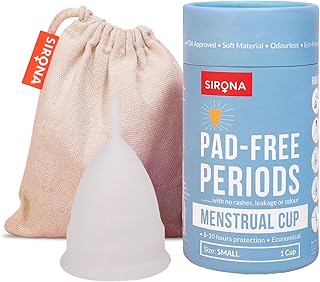
The situation in Gaza underscores the critical importance of addressing menstrual hygiene as part of broader humanitarian efforts. Without proper infrastructure, access to essential supplies, and support services, women and girls face significant obstacles in managing their periods safely and hygienically.

Experts emphasize that menstrual hygiene is not just a health issue but also a matter of dignity, rights, and gender equality. The lack of adequate menstrual hygiene management can have far-reaching consequences, affecting women’s health, education, and social participation.

Historically, menstrual hygiene has been a neglected aspect of public health and humanitarian response. However, the crisis in Gaza has brought to the forefront the urgent need to prioritize menstrual hygiene as a critical component of emergency assistance and long-term development initiatives.

International organizations and humanitarian agencies play a crucial role in addressing the menstrual hygiene crisis in Gaza and other conflict-affected areas. By providing access to sanitary products, improving water and sanitation facilities, and raising awareness about menstrual health, these entities can help empower women and girls to manage their periods with dignity and confidence.
Efforts to support menstrual hygiene in crisis settings require a multi-sectoral approach, involving collaboration between health, water, sanitation, and gender specialists. By integrating menstrual hygiene management into broader humanitarian programs, organizations can ensure that the specific needs of women and girls are adequately addressed.
As the world grapples with humanitarian crises and conflicts, it is essential to recognize the importance of menstrual hygiene in safeguarding the health, dignity, and rights of women and girls. By prioritizing menstrual hygiene as a fundamental aspect of humanitarian response, we can work towards creating a more inclusive and supportive environment for women and girls in crisis-affected regions.
📰 Related Articles
- Women in Gaza Struggle with Menstrual Hygiene Crisis
- Mental Healthcare Crisis in Australia Sparks Urgent Reform Calls
- Menstrual Hygiene Crisis Impacts Indian Schoolgirls’ Education and Health
- Menstrual Health Crisis Grips Women in War-Torn Gaza
- Lake Macquarie Faces Climate Crisis: Urgent Action Needed