
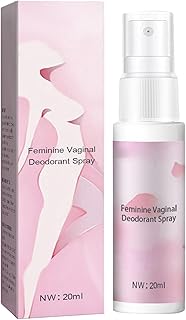
A recent class action lawsuit filed by Natalie Lofaro against Prestige Consumer Healthcare Inc. has brought to light concerning revelations about certain Summer’s Eve sprays containing the cancer-causing chemical benzene. The lawsuit, filed in a New York federal court, alleges that Prestige failed to disclose the presence of benzene in its Summer’s Eve brand Ultra Freshening sprays, which are marketed towards health-conscious consumers.
According to Lofaro, the omission of benzene from the product’s ingredients list constitutes deceptive marketing practices, leading consumers to unknowingly expose themselves to a known human carcinogen. The lawsuit aims to represent a nationwide class of consumers, including a New York subclass, who purchased the affected sprays, with Lofaro herself claiming to have bought the product without knowledge of its benzene content, rendering it “worthless.”
Benzene exposure has been linked to severe health issues such as anemia, immune system damage, and cancer, as reported by the Centers for Disease Control and Prevention. Both the International Agency for Research on Cancer and the National Toxicology Program have classified benzene as carcinogenic to humans, further underscoring the potential risks associated with its presence in consumer products.
In addition to Lofaro’s claims, an independent study by Valisure LLC corroborated the presence of benzene in the Summer’s Eve sprays, adding weight to the allegations against Prestige. The lawsuit accuses the company of breaching warranties, engaging in fraudulent concealment, and violating New York General Business Law, among other charges.
This lawsuit is part of a broader trend in consumer product litigation, with other companies like Procter & Gamble, Bayer, and Suave facing similar lawsuits over benzene exposure in their products. The legal action highlights the importance of transparency and accountability in the cosmetics industry, where consumers rely on accurate information to make informed choices about the products they use on their bodies.
Legal experts representing Lofaro, including Jason P. Sultzer and Joseph Lipari of The Sultzer Law Group P.C., emphasize the significance of holding companies accountable for their product formulations and marketing practices. The outcome of this class action lawsuit could have implications for how companies disclose potentially harmful ingredients in their products and the responsibilities they have towards consumer safety.
As consumers become increasingly vigilant about the ingredients in the products they use, the cosmetics industry may face heightened scrutiny and demands for transparency. The Summer’s Eve benzene class action serves as a reminder of the importance of regulatory oversight and consumer advocacy in ensuring the safety and integrity of personal care products.




📰 Related Articles
- Tool Faces Class Action Lawsuit Over Repetitive Festival Sets
- Unreleased Australian Climate Report Reveals Urgent Need for Action
- Supreme Court Considers Limiting AFL Concussion Class Action Scope
- Plant-Based Burger Taste Test Reveals Summer’s Top Picks
- Lawsuit Reveals Engine Failures in Toyota 86 and Subaru BRZ