
Period products are essential for girls and women, ensuring they can access education without hindrance. The period product scheme in England provides free products to state-maintained schools and Department for Education (DfE) funded 16 to 19 education organizations. This initiative, running for the academic year 2025 to 2026, aims to eliminate barriers to education caused by menstruation. The scheme encompasses choosing and ordering products, distributing them within institutions, and addressing stigma.

All individuals who menstruate, including girls, women, and those identifying as non-binary or transgender, are eligible for the scheme. Products are available for state-maintained primary and secondary schools, special schools, sixth form colleges, academies, and various education institutions funded by DfE. Women aged 19 or over are eligible under specific circumstances, such as continuing a study program started at 16 to 18 or having an education, health, and care plan.
Orders for period products can be placed through the supplier, phs, either online or via phone. Schools and colleges are advised to consider factors like reducing waste, meeting students’ needs, and environmental impact when ordering products. The scheme provides a recommended ordering frequency based on the annual budget, ensuring efficient and sufficient product supply.

An account setup with phs allows schools and colleges to manage their orders and budgets effectively. Customer support is available for assistance and complaints related to product orders. Funding allocations are determined based on the number of individuals likely to require period products within each institution.

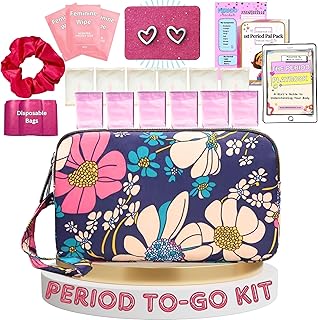
A wide range of products is available through the scheme, including pads, tampons, menstrual cups, period pants, and tights. Schools are encouraged to involve students in the product selection process to cater to individual preferences and needs. Safety information and guidelines on product usage and disposal are provided to ensure student well-being.

Schools are required to comply with equality laws, ensuring that all students have access to period products regardless of their background or characteristics. Strategies for distributing products within schools vary, with options like making products available in communal areas, through staff request, or via restricted access methods.

Efforts to reduce stigma around menstruation are crucial, involving open discussions, promoting awareness of the scheme, and using positive language when addressing period-related topics. Educating students about periods and providing resources for menstrual health education play a vital role in breaking taboos and fostering a supportive environment within educational institutions.
Research involving students, teachers, and stakeholders has informed the development of the period product scheme, emphasizing the importance of inclusive practices and effective communication strategies. By implementing these guidelines, schools can create a more inclusive and supportive environment for all individuals who menstruate.
📰 Related Articles
- Victorian Government Launches Free Period Products in Public Spaces
- Evolution of Eco-Friendly Period Products Promotes Comfort and Sustainability
- Empowering Cuban Women: Fighting Period Poverty Through Education
- D.C. United Partners with Sequel for Inclusive Period Amenities
- Addressing Period Poverty: Empowering Girls Through Menstrual Health Education