
Intimate hygiene has become a trending topic in recent times, with a surge in products and services catering to vaginal wellness. From vulva fresheners to crotch-brightening creams, the market for feminine intimate care has boomed, reaching a value of $7.8 billion globally in 2024. This industry includes not only hygiene products but also cosmetic procedures like labiaplasty and vulva fat grafting.

But why this sudden obsession with genital care? Some experts attribute it to a broader societal focus on regulating bodies, evident in legislation concerning reproductive rights and gender identity. This governmental scrutiny can lead to what is termed “genital anxiety,” prompting individuals to seek control through personal grooming and cosmetic enhancements.

This commodification of intimate care is not a new phenomenon. Historical contexts reveal how early laws restricted the promotion of birth control, leading to the rebranding of douching as “feminine hygiene.” Over time, the industry evolved to market products based on creating demand for solutions to perceived aesthetic flaws, perpetuating the notion that women’s bodies require cosmetic improvement.

Despite the marketing hype, experts like Dr. Angela Wilson emphasize that the vagina is self-cleaning and does not require extensive external interventions. Maintaining vulva health is relatively simple: gentle cleansing with water and mild soap, avoiding harsh chemicals that can disrupt the natural pH balance. Any strong odors or discomfort should prompt a medical consultation rather than reliance on scented products.

Additionally, the concept of “vaginal wellness” is often a misnomer, as most products target external genitalia rather than internal vaginal health. An emphasis on minimal intervention is recommended, with the adage “less is best” guiding care practices. The portrayal of idealized genital aesthetics can contribute to body image insecurities, prompting individuals to seek unnecessary treatments.
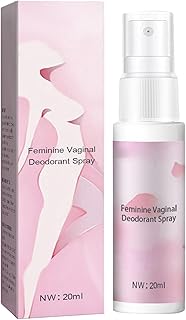
For those questioning the appearance of their labia, resources like The Labia Library offer a diverse representation of normal variations. Embracing the natural diversity of genital anatomy is crucial in countering societal pressures to conform to unrealistic beauty standards.

Ultimately, the push for vaginal facials and cosmetic procedures reflects a broader societal trend of imposing beauty ideals on women’s bodies. The pursuit of genital perfection is not only unrealistic but also undermines individual autonomy and self-acceptance. Prioritizing health over cosmetic interventions is essential in navigating the evolving landscape of intimate hygiene products and services.
📰 Related Articles
- Top Gift Ideas for Women: Beauty, Fashion, and Tech Trends
- Why Female Hygiene Matters: Impact of Menstrual Care Workshops
- Why Did Jennifer Garner Skip the Met Gala 2025? Insights on Women Fashion Trends
- Western Europe Women’s Intimate Care Market Trends Towards Personalization
- Vietnam’s Impact on Global Student Mobility Trends Revealed