
On Women’s Equality Day, it’s time to shed light on a crucial but often overlooked issue: the hidden dangers lurking in feminine hygiene products. Recent studies have revealed alarming findings – many commonly used period products contain harmful chemicals, including PFAS, which have been linked to serious health risks. The lack of transparency in the industry raises concerns about the safety of products designed for intimate health.

The global feminine hygiene market is a multi-billion-dollar industry driven by the demand for pads and tampons. However, what consumers don’t know is that these seemingly harmless products can contain a cocktail of carcinogens, endocrine disruptors, and allergens. The classification of these items as medical devices rather than consumer goods exempts them from standard labeling requirements, leaving consumers unaware of the potential risks they are exposed to.
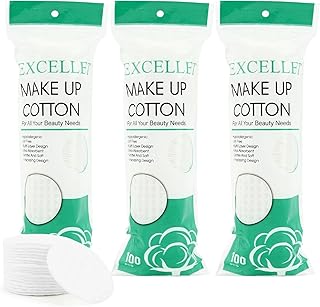
Modern period products are more than just cotton – they are laden with synthetic materials, fragrances, and plastics that can have detrimental effects on health. The use of these products can lead to long-term health issues as microplastics accumulate in the body over time. The convenience and comfort promised by these products come at the expense of transparency and consumer safety.

Moreover, the environmental impact of period products is significant. With the average person using thousands of pads or tampons in their lifetime, the plastic waste generated poses a long-lasting threat to the environment. Improper disposal of these products contributes to pollution in oceans and waterways, perpetuating an environmental crisis fueled by everyday essentials.
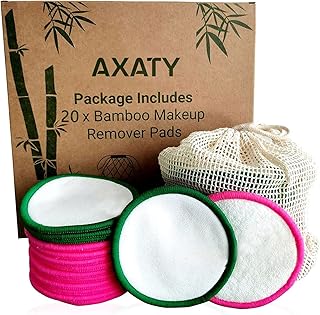
Access to menstrual products is not a universal privilege, with millions of people worldwide lacking basic necessities. The lack of access to affordable and safe period products perpetuates cycles of poverty and health disparities, particularly in low-income communities. Governments play a crucial role in addressing these issues, with some countries taking steps to provide free products and eliminate taxes on menstrual items.

Change is imperative in the feminine hygiene industry to prioritize consumer health and environmental sustainability. Stricter regulations and increased transparency can empower consumers to make informed choices about the products they use. Opting for brands that disclose their ingredients and offer non-toxic alternatives can not only protect personal health but also contribute to a cleaner and safer environment.

As we advocate for safer and more sustainable period products, it’s essential to recognize the interconnectedness of health, environmental, and social issues. By supporting initiatives like the Global Plastics Treaty and advocating for responsible environmental policies, individuals can make a tangible difference in safeguarding both personal well-being and the planet.
📰 Related Articles
- TLC Healthcare Partners with Femmé Organic to Provide Free Feminine Hygiene Products
- Study Reveals PFAS in Reusable Feminine Hygiene Products
- Study Links Feminine Hygiene Products to Increased Infection Risks
- Hidden Dangers of Methanol Poisoning in Alcoholic Drinks Revealed
- Feminine Hygiene Products: Do They Really Benefit Genital Health?