
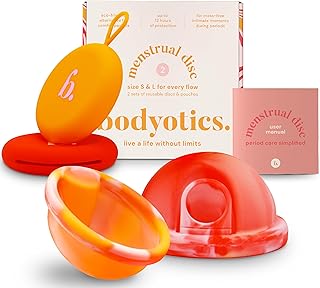
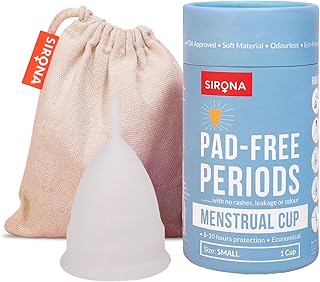
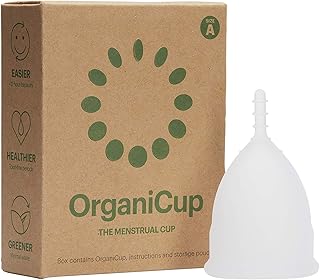
A recent study conducted by researchers at the University of Notre Dame has revealed concerning findings about the presence of ‘forever chemicals’ in reusable menstrual products like menstrual cups and period underwear. The study involved testing over 70 feminine hygiene products from various global markets for per- and polyfluoroalkyl substances (PFAS).

While the majority of the samples showed low concentrations of PFAS, a significant portion of period underwear and reusable pads displayed evidence of intentional fluorination, indicating that these chemicals were deliberately added during production. Despite this, only a small number of brands claim to intentionally use PFAS in their products.
Lead author of the study, Graham Peaslee, emphasized the rapid growth of the reusable menstrual product market, driven by the perception of environmental consciousness due to reduced paper and plastic waste. The results of the research, published in the journal Environmental Science & Technology Letters, underscore the potential health risks associated with PFAS exposure.

Forever chemicals like PFAS have been linked to various adverse health effects, including hormonal disruptions, developmental delays, low birth weight, accelerated puberty, high blood pressure in pregnant women, and increased cancer risks. Studies have shown that PFAS are prevalent in common goods, with over 99% of Americans testing positive for these chemicals.
Furthermore, PFAS have detrimental effects on the environment. Peaslee highlighted the need for consumer awareness and regulatory action, as there are currently no labeling requirements for PFAS in products. Only a few U.S. states have drafted legislation mandating that consumer goods be free of intentional PFAS use, indicating the necessity for increased oversight in product manufacturing.
By shedding light on the presence of PFAS in reusable menstrual products, studies like this can empower consumers to make informed choices and prompt manufacturers to seek safer alternatives. The research serves as a call to action for regulators and industry stakeholders to prioritize product safety and environmental sustainability in the production of feminine hygiene items.

📰 Related Articles
- Study Reveals Preferences for Reusable Sanitary Products Among Women
- Study Reveals Menstrual Poverty Disparities in Zambian Schools
- Study Reveals Menstrual Hygiene Challenges Among Indian Women
- Study Reveals Menstrual Health Challenges for Female Athletes in Bangladesh
- Study Reveals Menstrual Cups as Top Eco-Friendly Choice
📚Book Titles
- Dust Isnt Just DirtIts Full of Forever Chemicals That Can Harm Your Health
- AI Strategies for Winning the Lotto: Artificial Intelligence Techniques for Predicting Lottery Outcomes
- Memory Alchemy: Transforming Ancient Secrets into Unstoppable Mind Power
- Strings of Gold: Investing in Vintage Instruments